Scientific Ethics and Scientific Controversy
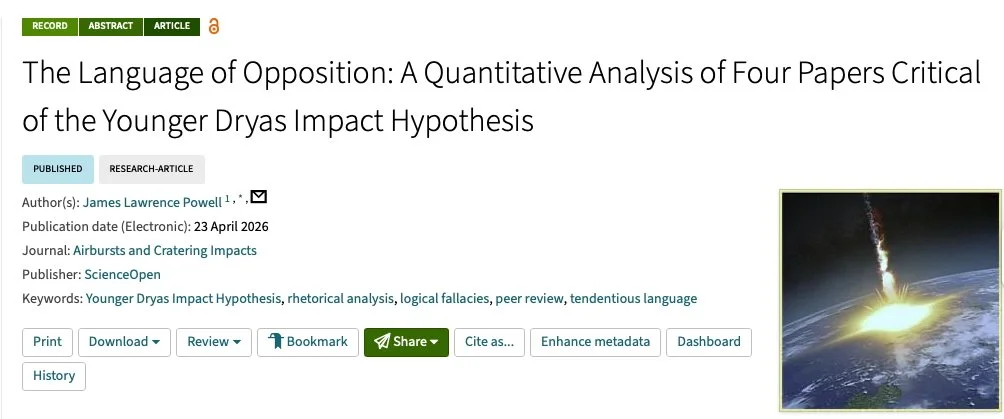
The Language of Opposition
Airbursts and Cratering Impacts, 2026.
A quantitative analysis of four influential papers critical of the Younger Dryas Impact Hypothesis, showing how frequently they relied on dismissive language, rhetorical excess, and logical fallacies. The paper argues that such rhetoric helped turn a scientific dispute into a campaign of rejection.
Data vs. Derision
Journal of Academic Ethics, 2024
A case study of how scientists can cross the line from vigorous criticism into unethical disparagement. Using the Younger Dryas Impact Hypothesis, the paper argues that ridicule, ad hominem attacks, and loaded language can discourage research, deter funding, distort the scientific record, and delay scientific progress.
Peer Review and the Pillar of Salt
Research Ethics, 2022
A defense of peer review at a time when preprints and post-publication commentary can make it seem dispensable. The paper argues that peer review is imperfect and sometimes slow, but abandoning it would remove one of science’s most important safeguards against error, bias, and unsupported claims
Younger Dryas Impact Hypothesis
Premature Rejection in Science
Science Progress, 2022
The Younger Dryas Impact Hypothesis has become a modern example of a recurrent failure in science: rejecting a hypothesis before the evidence has been fairly assessed. This article has had 74,010 views and downloads.
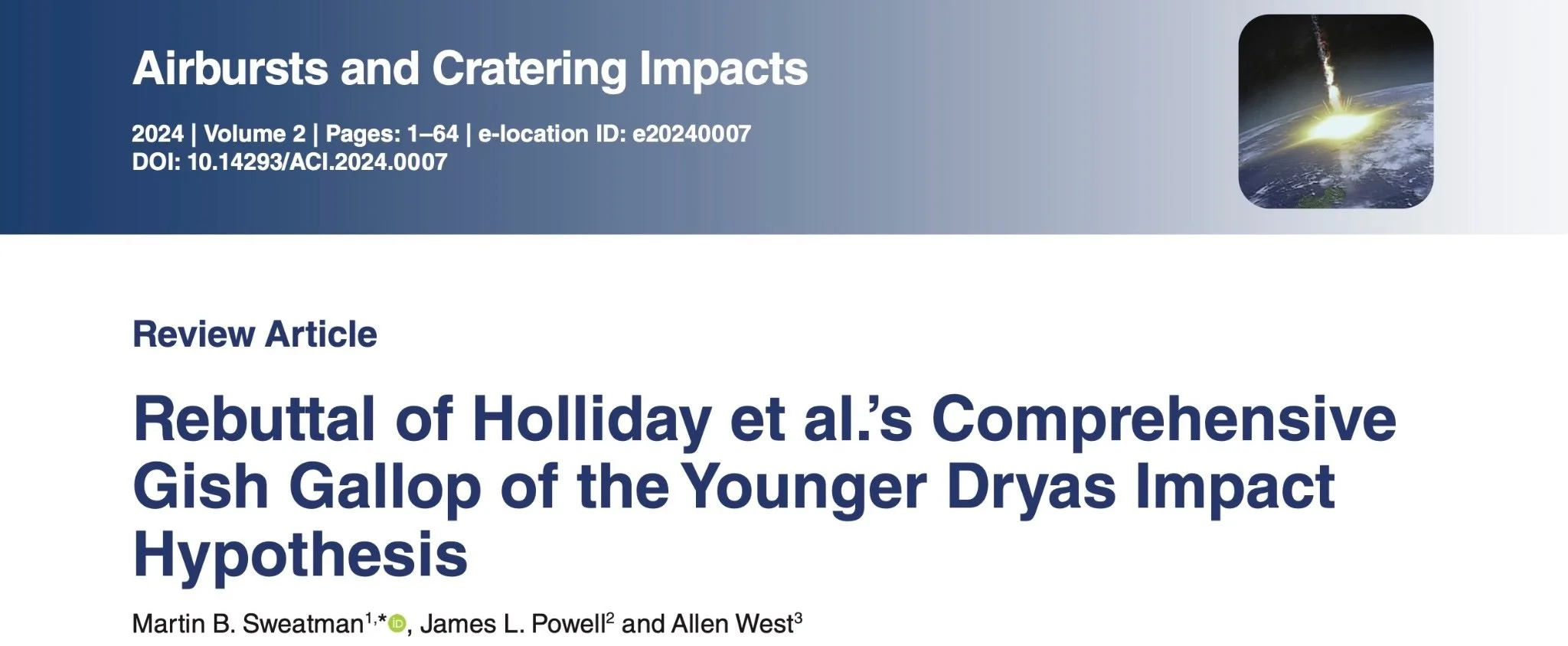
Rebuttal of Holliday et al. 2023
Airbursts and Cratering Impats, 2024
A direct challenge to a 96,000-word paper claiming to have “comprehensively refuted” the Younger Dryas Impact Hypothesis. The rebuttal argues that the authors introduced no decisive new evidence, relied repeatedly on flawed reasoning, and failed to show that the dated impact markers are inconsistent with a single event at the Younger Dryas boundary.
Climate Change
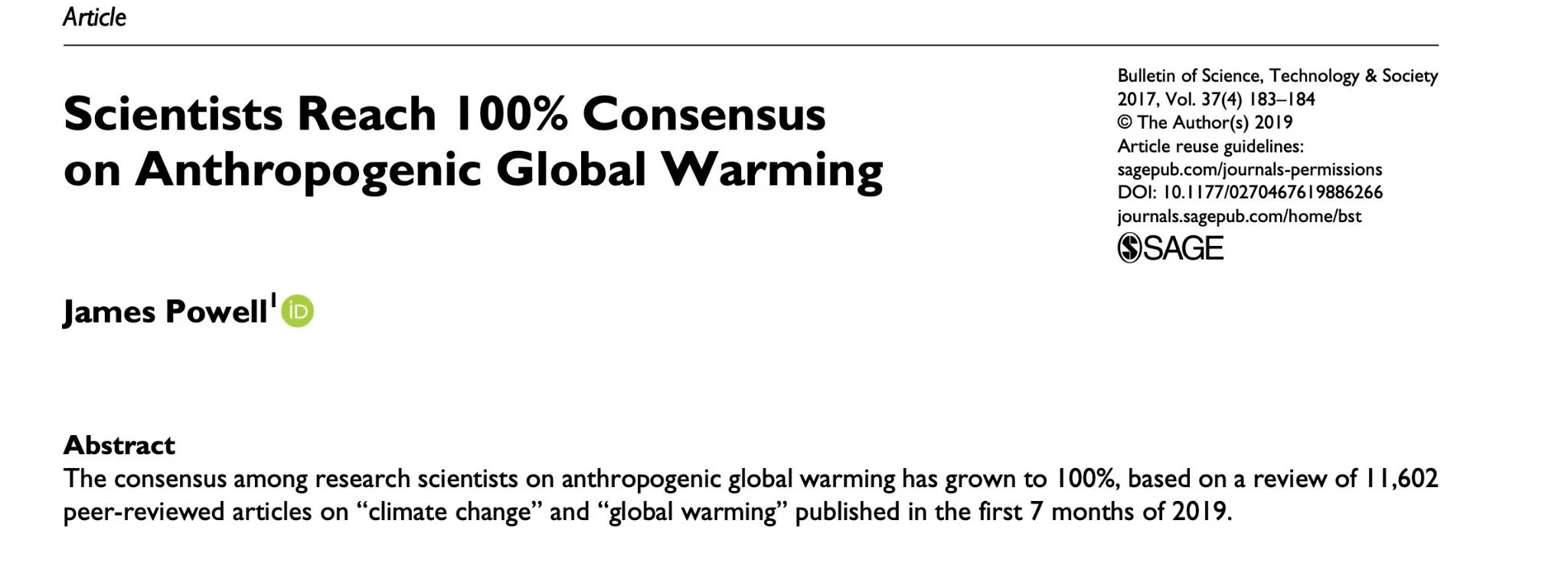
Scientists Reach 100% Consensus on AGW
Bulletin of Science, Techonogy & Society, 2017
A direct challenge to a 96,000-word paper claiming to have “comprehensively refuted” the Younger Dryas Impact Hypothesis. The rebuttal argues that the authors introduced no decisive new evidence, relied repeatedly on flawed reasoning, and failed to show that the dated impact markers are inconsistent with a single event at the Younger Dryas boundary.